Beyond Transition: Building Secure, Resilient, Inclusive, and Intelligent Energy Systems
8-11 June 2026 | ADB Headquarters, Manila

Future-Ready Power Systems: Building Resilient and Circular Energy Pathways for Pacific Islands
Pacific Island utilities stand at a pivotal moment as climate change accelerates the frequency of Category 5 cyclones, sea-level rise, and extreme heat—threats that increasingly exceed the design tolerances of existing grid infrastructure. The session's first discussion, Resilience & Renewables: Powering the Pacific's Green Frontier, explores how utilities can harden assets against 300 km/h winds, mitigate corrosion from rising salt spray, and plan for the growing likelihood that coastal power infrastructure may require relocation rather than reinforcement. The panel dives into the practical realities utilities face: stabilizing grids with high penetrations of solar, addressing battery degradation in tropical heat, and preparing for the operational challenges of achieving 100% renewable energy targets. It also examines the policy and financing gaps that currently limit utilities from moving beyond one-off donor-funded projects toward regionally scalable, bankable solutions capable of delivering long-term resilience.
The second discussion, Closing the Loop – End-of-Life Management and Infrastructure Circularity, shifts the lens to an equally urgent but often overlooked dimension of the energy transition: the rapidly expanding wave of end-of-life solar panels, batteries, and related infrastructure that Pacific states will soon be required to manage. As islands accelerate renewable energy deployment, they are effectively importing future waste streams without the land area, recycling facilities, or regulatory frameworks to manage them. This panel will explore practical pathways for integrating circularity from the design stage—such as embedding decommissioning requirements in tenders, adopting extended producer responsibility, and developing second-life uses for degraded batteries. It will also examine the viability of regional "hub-and-spoke" waste aggregation models, the role of SPREP and PPA in regional coordination, and financing mechanisms such as advanced disposal fees or product stewardship funds to offset high shipping costs. Together, the two panels provide a comprehensive look at building Pacific energy systems that are not only resilient in operation but sustainable across the full lifecycle of infrastructure.
-
11:00 – 11:05 a.m.
Introduction: State of Pacific Energy
Session Moderator: Tika Limbu, Principal Energy Specialist, ADB
-
11:05 – 11:30 a.m.
Panel 1: Resilience & Renewables — Powering the Pacific's Green Frontier
PanelistsModerator: Au Minh Tuan, Energy Specialist, ADB
Beverly Maeta, Project Manager, Capital Works Department, Solomon Power, Solomon Islands
Ronald Meketa, Managing Director, National Energy Authority, Papua New Guinea
Dean Yarrall, Senior Economist, Ministry of Finance and Economic Management, Cook Islands
Ruchika Saluja, Senior Markets Development Advisor, ADB, OMDP
Lusiano Koroiveibau, Mechanical Engineer, Fiji
-
11:30 – 11:40 a.m.
Audience Q&A
-
11:40 – 11:45 a.m.
Closing "Crystal Ball" Question
-
11:45 a.m. – 12:25 p.m.
Panel 2: Closing the Loop — End-of-Life Management and Infrastructure Circularity
PanelistsModerator: Roka Sanda, Principal Energy Specialist, ADB
Tetaake Bwatirine Tamiane, Senior Energy Efficiency Planner, Ministry of Infrastructure and Sustainable Energy, Kiribati
Merina Togiaono, Electrical Intern, Niue Power Corporation, Niue
Mansour Assaf, Associate Professor, Electrical & Electronic Engineering, University of the South Pacific, Fiji
Melody Ovenden, Senior Energy Specialist, ADB, Emerging Areas
-
12:20 – 12:25 p.m.
Closing Lightning Question
-
12:25 – 12:30 p.m.
Session Closing: Summary of Key Takeaways
Tika Limbu, Principal Energy Specialist, ADB
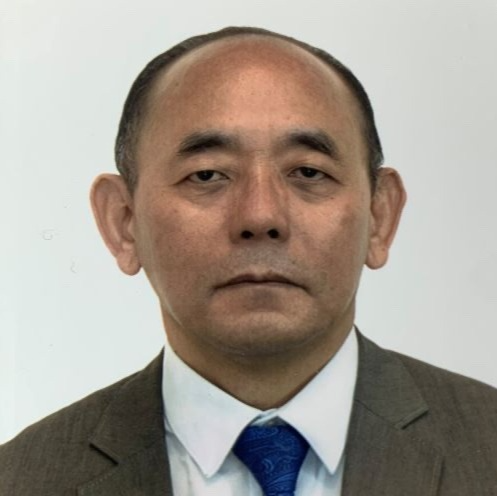
Tika Limbu
Principal Energy Specialist, Asian Development Bank

Au Minh Tuan
Energy Specialist, Asian Development Bank
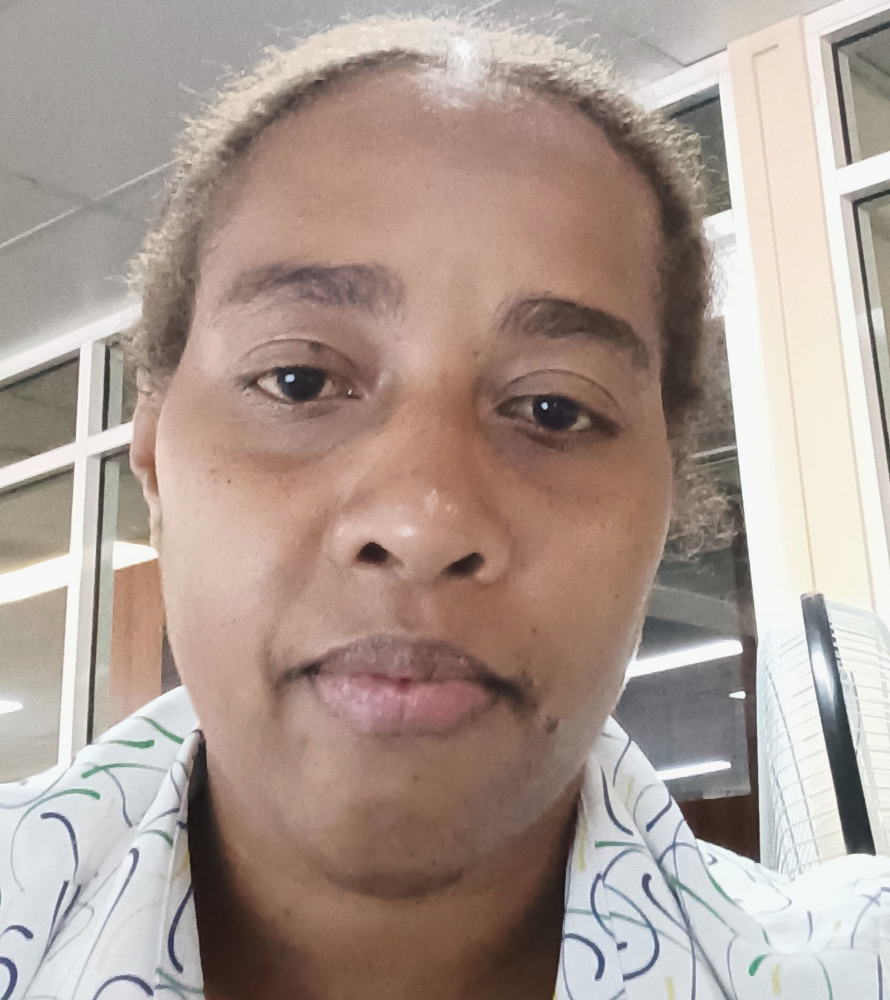
Beverly Maeta
Project Manager, Solomon Power
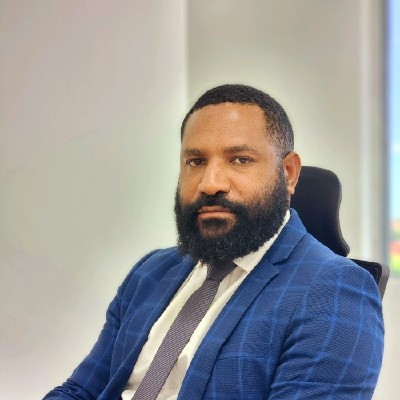
Ronald Meketa
Managing Director, National Energy Authority, Government of Papua New Guinea

Dean Yarrall
Chairperson, OPERA - Office for the Pacific Energy Regulators Alliance

Ruchika Saluja
Office of Markets Development & Public Private Partnership, Asian Development Bank
Lusiano Koroiveibau
Mechanical Engineer, Fiji

Roka Sanda
Principal Energy Specialist, Asian Development Bank
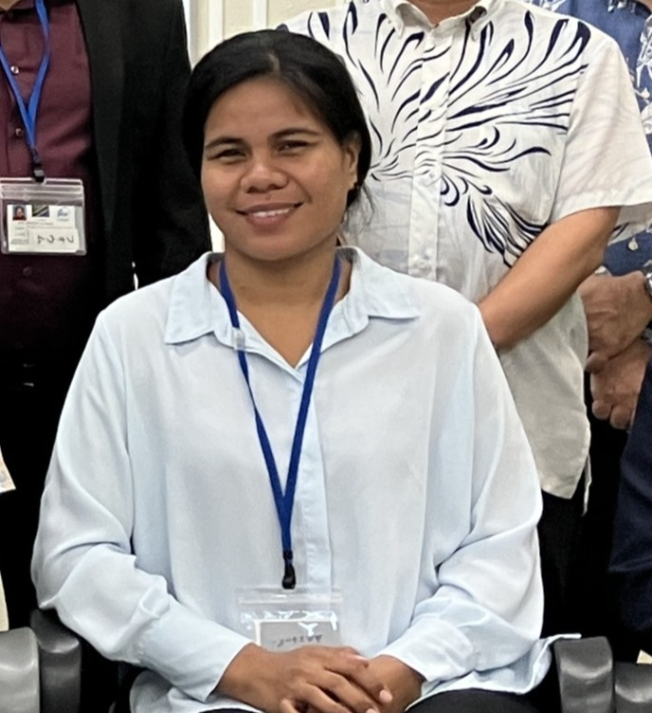
Bwatirine Tamiane Tetaake
Senior Energy Efficiency Planner, Ministry of Infrastructures and Sustainable Energy

Merina Togiaono
Electrical Intern, Niue Power Corporation
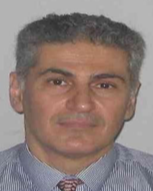
Mansour Assaf
Discipline Coordinator (Electrical and Electronic Engineering), USP

Melody Ovenden
Senior Energy Specialist, Energy Division- Emerging Areas, Asian Development Bank