Beyond Transition: Building Secure, Resilient, Inclusive, and Intelligent Energy Systems
8-11 June 2026 | ADB Headquarters, Manila

The Emerging Role of Nuclear Energy in Achieving a Sustainable Energy Future for Asia and the Pacific
Background
As Asia and the Pacific continue to ramp up efforts toward building sustainable, secure, and low carbon energy systems, the need for nuclear energy as a viable source of resilient and secure energy is becoming increasingly recognized. While renewable energy sources still play a vital role in many decarbonization strategies, nuclear power provides a complementary pathway to achieving reliable baseload generation capacity, improving grid stability, supporting the decarbonization of industrial process.
ADB's Perspective
The Asian Development Bank (ADB) is looking into the potential of nuclear energy as part of its broader energy portfolio due to the growing interest in nuclear power among ADB developing member countries (DMCs). This interest stems from nuclear power's recognition as a low-carbon energy source and, importantly, as a dependable baseload option that can enhance energy security while supporting affordability.
The 2025 amendment to the ADB Energy Policy, which removed the prohibition on financing nuclear investments, helps countries to create enabling environments and build institutional capacity for nuclear power investments. Financing, if considered, will be contingent on a rigorous readiness assessment and strict adherence to the highest safety, security, and safeguard standards, working closely with the International Atomic Energy Agency (IAEA). The Philippines has formally requested ADB's support for capacity development as part of its efforts to revive its nuclear program. This includes strengthening institutions related to nuclear governance and safety, and is currently under review by ADB.
IAEA Framework and Emerging Technologies
According to the IAEA, nuclear power is one of the best available dispatchable low-carbon technologies today. The IAEA has set forth an extensive list of 19 infrastructure requirements that countries must comply to responsibly and safely embark on nuclear power programs. These requirements span all aspects of the nuclear industry (e.g., legal, regulatory, financial, and technical), illustrating the complexity of developing nuclear programs.
Additionally, there have been technological advancements leading to next generation of large nuclear reactors and small modular reactors (SMRs), which offer flexible and scalable solutions — particularly appealing to DMCs with limited grid capacity or space for conventional nuclear plants. These new technologies include improved safety systems, shorter construction times, and greater adaptability to different energy sources, offering new pathways for countries to responsibly integrate nuclear power.
- Part I — Strengthening Nuclear Readiness: Policy, Safety, and Innovation for Sustainable Power in Asia
-
2:00 – 2:20 p.m.
Opening Remarks
Scott Allen Morris, Vice-President (East and Southeast Asia, and the Pacific), Asian Development Bank (ADB)
Henri Paillere, Head, Planning and Economic Studies Section, International Atomic Energy Agency (IAEA)
-
2:20 – 2:30 p.m.
Presentation: U.S. Policies and Strategies for Advanced Nuclear Technology Development, Including Small Modular Reactors (SMRs)
Elizabeth Urbanas, Deputy Assistant Secretary for Asia and the Americas, Office of International Affairs, U.S. Department of Energy
-
2:30 – 2:40 p.m.
Presentation: DMC's Perspectives on Nuclear Power Development (Philippines)
Rowena Cristina Guevara, Undersecretary, Department of Energy, Philippines
-
2:40 – 3:20 p.m.
Presentations (2 Topics)
Henri Paillere, Head, Planning and Economic Studies Section, IAEA
TopicsTopic 1: From Scenarios to Solutions: Energy System Planning in Practice
Topic 2: The 19 Infrastructure Issues Associated with Developing Nuclear Power and the Global Best Practices
-
3:20 – 3:30 p.m.
Presentation: Exploring Nuclear Energy — ADB's Emerging Role in Policy, Safety, and Infrastructure Readiness
Hideaki Iwasaki, Director General, Sectors Department 1 (Energy and Transport Sectors), ADB
- Break & Refreshments — 3:30 p.m. – 4:00 p.m.
- Part II — Advanced Nuclear Technologies
-
4:00 – 4:10 p.m.
Presentation: Lessons Learned from France's Nuclear Programme and France's Technology Solutions for SMR Projects
Laurent Fabre, Head, New Nuclear Project Development for Asia, Électricité de France (EDF)
-
4:10 – 4:20 p.m.
Presentation: Japan's Policy and Technology Outlook for Advanced Nuclear
Satoru Yasuraoka, Director, Ministry of Economy, Trade and Industry (METI), Japan
-
4:20 – 4:30 p.m.
Presentation: Technology Solutions for SMRs and Large-Scale Nuclear Projects
Daisuke Koike, Group Manager, Nuclear Energy Business Unit, IHI Corporation
-
4:30 – 4:40 p.m.
Presentation: Korea's Nuclear Technology Development and Regional Cooperation
Sang Won Lee, Director, SMR Development Lab., Korea Hydro and Nuclear Power Co. Ltd. (KHNP)
-
4:40 – 5:10 p.m.
Panel Discussion
PanelistsModerator: Priyantha Wijayatunga, Senior Director, Energy Sector Office, ADB
Elizabeth Urbanas, U.S. Department of Energy
Rowena Cristina Guevara, Department of Energy, Philippines
Henri Paillere, IAEA
Hideaki Iwasaki, ADB
Laurent Fabre, EDF
Satoru Yasuraoka, METI, Japan
Sang Won Lee, KHNP
Daisuke Koike, IHI Corporation
-
5:10 – 5:30 p.m.
Q&A and Closing Remarks
Moderator: Priyantha Wijayatunga, Senior Director, Energy Sector Office, ADB
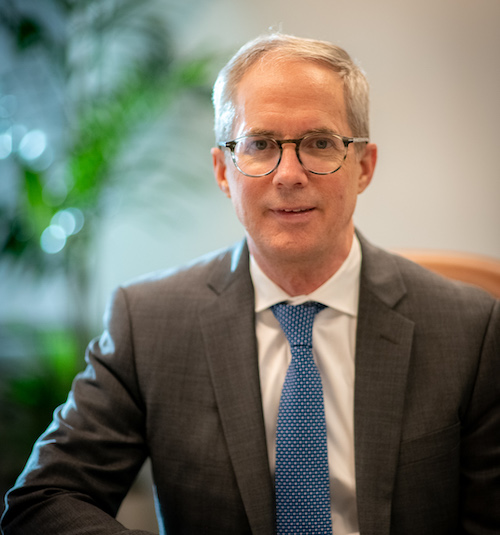
Scott Allen Morris
Vice-President (East and Southeast Asia, and the Pacific), Asian Development Bank
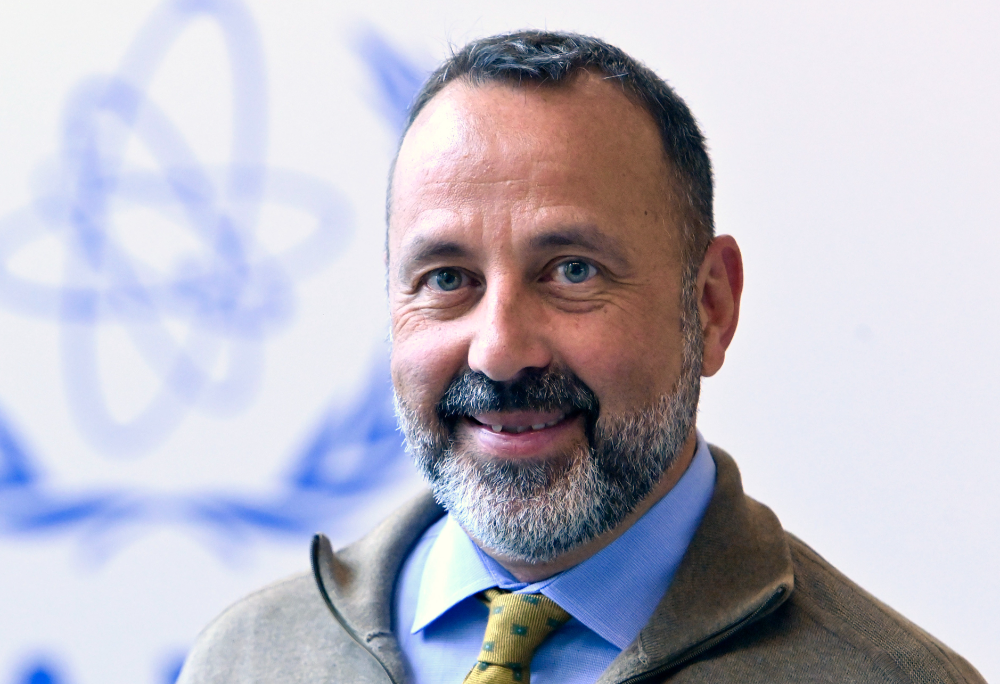
Henri Paillere
Head of Planning and Economic Studies Section, International Atomic Energy Agency (IAEA)

Elizabeth Urbanas
Deputy Assistant Secretary for Asia and the Americas, U.S. Department of Energy (DOE)
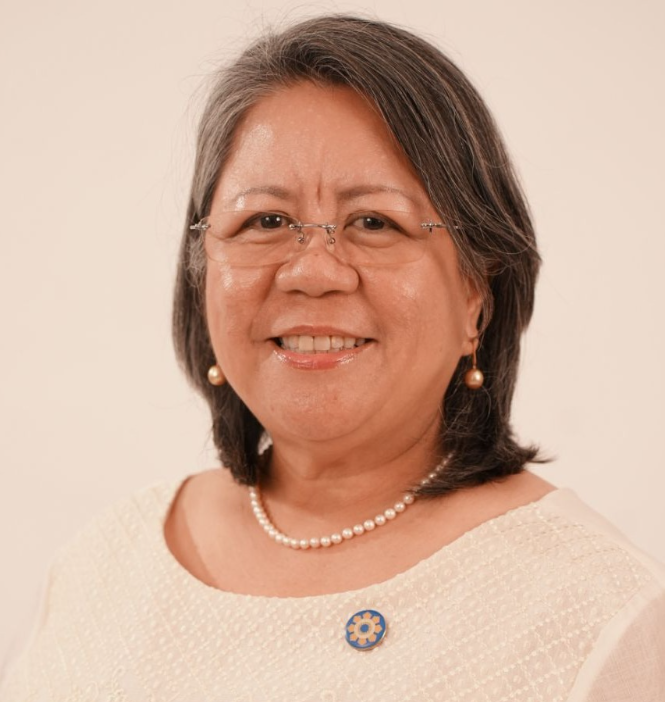
Rowena Cristina Guevara
Undersecretary, Department of Energy
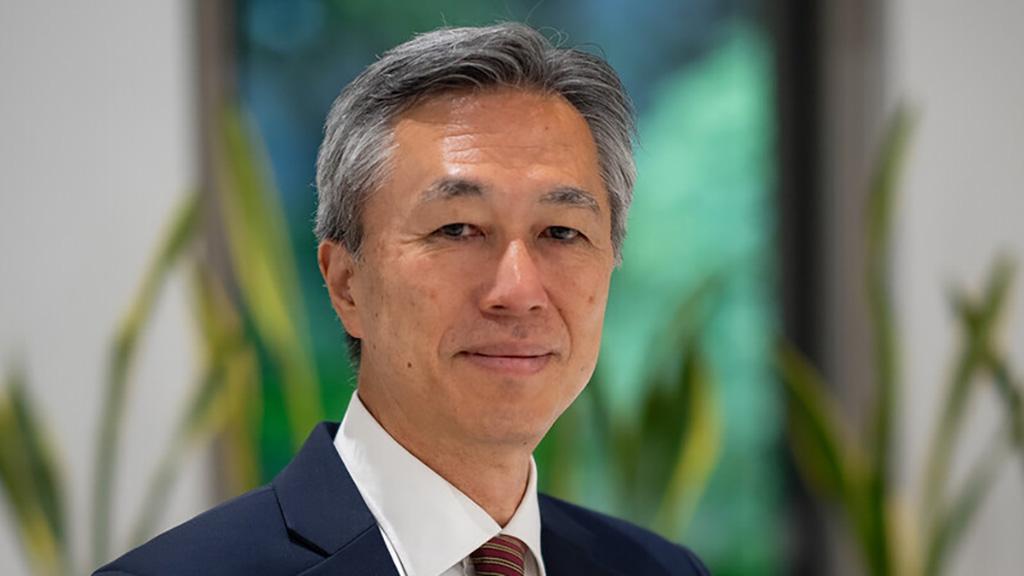
Hideaki Iwasaki
Director General, Sectors Department 1 (Energy and Transport Sectors), Asian Development Bank

Laurent Fabre
Head of Business Development, New Nuclear Project Development for Asia, Électricité de France (EDF)

Satoru Yasuraoka
Director of International Affairs, Nuclear Energy Policy Division, Ministry of Economy, Trade and Industry
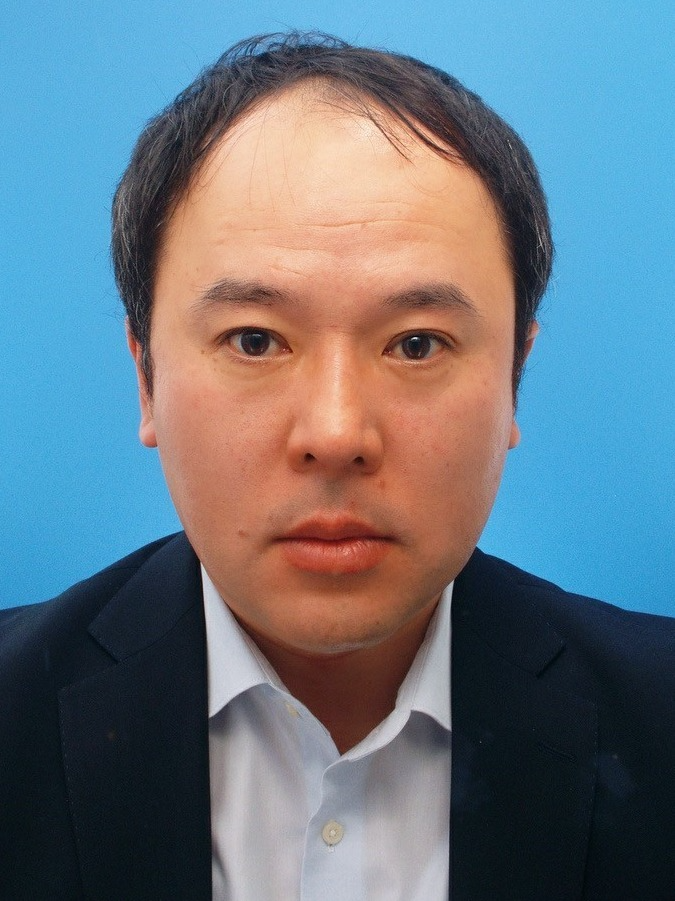
Daisuke Koike
Group Manager, IHI Corporation
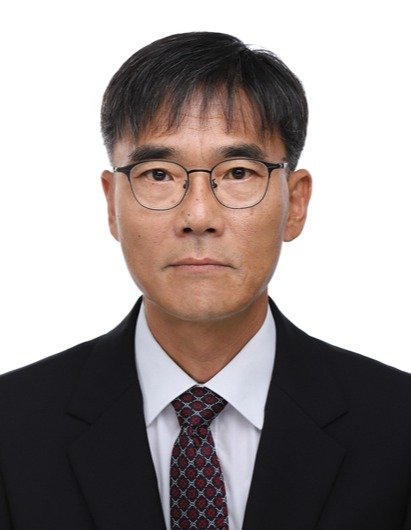
Sang Won Lee
Head of SMR Development Laboratory, Central Research Institute, Korea Hydro and Nuclear Power Co. Ltd. (KHNP)
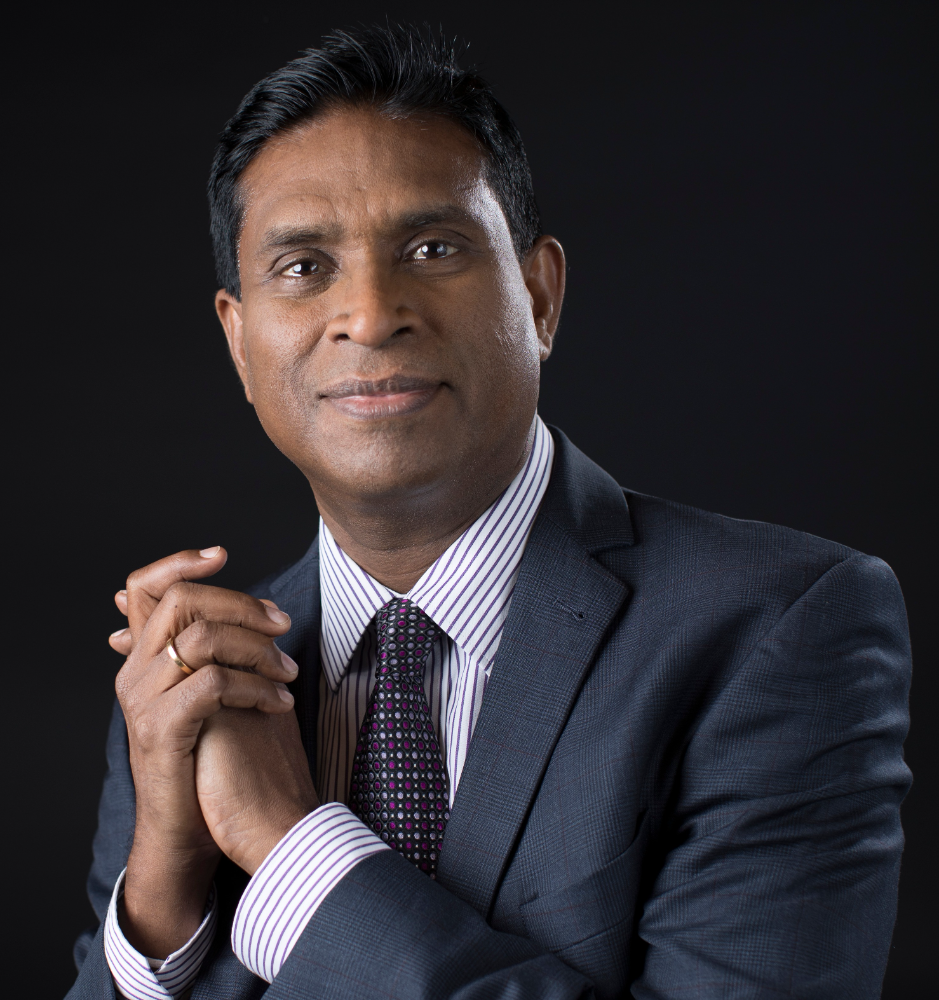
Priyantha Wijayatunga
Senior Director, Energy, Asian Development Bank (ADB)
- Developing Member Countries' Perspectives on Nuclear Power Development: Philippines
- IAEA: From Scenarios to Solutions — Energy System Planning in Practice
- Korea's Nuclear Technology Development and Regional Cooperation
- Lessons Learned from France's Nuclear Programme
- Nuclear Energy Policy in Japan
- Technology Solutions for SMRs and Large-Scale Nuclear Projects