Beyond Transition: Building Secure, Resilient, Inclusive, and Intelligent Energy Systems
8-11 June 2026 | ADB Headquarters, Manila

Building the Grid of the Future: Data and AI Driven Transmission System for Efficiency, Resilience, and Prosperity
Economic growth in many ADB developing member countries (DMCs) remains constrained by energy supplies and difficulty in managing electricity grids. Energy development in Asia and the Pacific is mostly focused on electricity generation and end uses, but electricity supply growth is constrained by inadequate transmission and distribution (T&D) systems. New generation capacity and output cannot be readily brought online in a timely manner unless transmission capacity and efficiency increase rapidly to improve grid flexibility. As more intermittent renewables are added, a more flexible grid and energy storage is needed to maintain grid stability and time-shift generation output. Electrification of transport, industrial heat, and other energy applications traditionally supplied with fossil fuels, is increasing the strain on T&D systems. Rapid expansion of data centers illustrates the physical limitations of existing T&D systems as well as the traditional planning, design, and permitting processes that result in years of waiting for grid access.
T&D systems need to become smarter, more flexible, more resilient to geophysical events (earthquakes, tsunamis, and volcanic eruptions), and generally need to be expanded as fast as possible. Advanced composite core conductors (CCC) are one of the best tools available for rapid and cost-effective expansion of T&D capacity and efficiency while improving geophysical resilience and minimizing environmental and social impacts.
-
2:00 – 2:05 p.m.
Introduction
Natalie Kauf, Energy Analyst, International Energy Agency (IEA)
-
2:05 – 2:12 p.m.
The Pan-Asia Power Grid Initiative (PAGI)
Jiwan Acharya, Principal Energy Specialist, ADB
PAGI will mobilize $50 billion of new investment to deploy 22,000 circuit-kilometers of cross-border transmission lines to connect 20 GW of renewable energy to an integrated regional system. The traditional approach to high-voltage transmission system expansion is not going to make this happen. We cannot predict the future, but we are constantly building the future – and PAGI will help build the future that we need.
-
2:12 – 2:19 p.m.
Redefining "Smart" Grids
Charles Girard, Global Director for Business Development and Finance, CTC Global
The next quantum advance for smart grids is technology that will redefine transmission system intelligence by delivering continuous, high-resolution data across the entire length of the transmission line. This unprecedented level of visibility, paired with advanced analytics and artificial intelligence (AI), will provide insights that empower utilities to optimize grid capacity, streamline operations, prevent outages, reduce wildfire and ice risk, and lower operational costs. CTC Global, Google, and Tapestry have jointly developed a next-generation product which will help utilities turn transmission lines from static infrastructure into intelligent network assets, enabling faster, more informed decisions and more confident planning for the future. In addition to presenting on the future of transmission conductors, he will also present case studies from the US and Latin America on how utilities are transforming their grids to accommodate new demands and solve grid congestion.
-
2:19 – 2:26 p.m.
Accelerating Transmission Capacity Expansion: Reconductoring vs. New Build Using Data and AI
Nikit Abhyankar, Co-Faculty Director, India Energy and Climate Center, UC Berkeley
UC Berkeley analysis, particularly from the Goldman School of Public Policy and GridLab, indicates that upgrading existing U.S. high-voltage lines using advanced conductors ("reconductoring") could quadruple transmission capacity by 2035. This approach is faster and cheaper than building new lines, potentially unlocking 90% clean electricity, reducing wholesale power costs by 3%-4%, and saving $180 billion by 2050. The analysis highlights that while building new transmission is necessary, prioritizing advanced technologies in existing corridors can solve immediate bottleneck issues. He will present U.S. and California policies currently being implemented to strengthen and unlock the power grid. He will also highlight the UC Berkeley Energy Technologies Area (ETA), which develops real-world solutions to help mitigate and adapt to some of today's most pressing global challenges. In addition, Dr. Abhyankar has authored numerous studies on the energy markets of India, Korea, and China and will share insights drawn from those experiences.
-
2:26 – 2:33 p.m.
Reconductoring to Expand High-Voltage Network Capacity
Susantha Fernando, Chief Executive Officer, National System Operator (Pvt) Ltd.
Ceylon Electricity Board (CEB) has embarked on a project to re-conductor the 71 kilometer 220 kV Vauniya-Mannar transmission line using High-Temperature Low-Sag (HTLS) conductors. These advanced conductors are designed to operate at higher temperatures and carry more current than conventional conductors, thereby increasing the transmission capacity without the need for new infrastructure. This is one of the first transmission projects in Asia to deploy a special fiber optic system which can confirm the integrity of the conductor when installed in only a few minutes.
-
2:33 – 2:40 p.m.
Financing 21st Century T&D Deployments
Lin Lu, Advisor, East Asia Department, ADB
An overview of ADB smart grid investment portfolio will be provided, emphasizing advanced conductors, other grid-enhancing technical solutions (GETS), and financing instruments and modalities.
-
2:40 – 2:47 p.m.
Financing the Future Grid: Collaboration, New Modalities and Instruments, and Creative Structuring
Ziwei Liao, Senior Investment Officer, AIIB
-
2:47 – 2:54 p.m.
Cybersecurity Considerations for 21st Century Grids
Ken Gau, Principal Industrial Consultant, Dragos, Inc.
As T&D systems become increasingly digitized and automated, cybersecurity risks increase accordingly. National high-voltage grids are national security assets and should be treated as such in terms of operational security. An overview of technical and cost aspects will be presented.
-
2:54 – 3:25 p.m.
Panel Discussion and Q&A
Moderator: Natalie Kauf, Energy Analyst, International Energy Agency (IEA)
-
3:25 – 3:30 p.m.
Closing Remarks
Natalie Kauf, Energy Analyst, International Energy Agency (IEA)
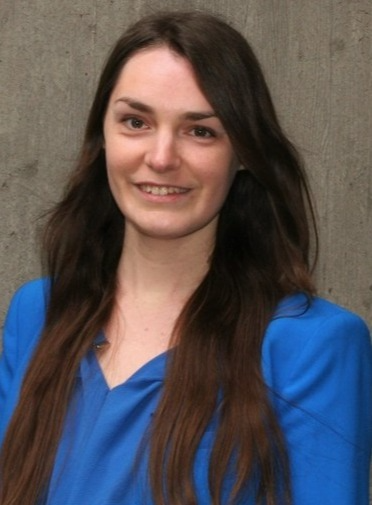
Natalie Kauf
Energy Analyst, International Energy Agency
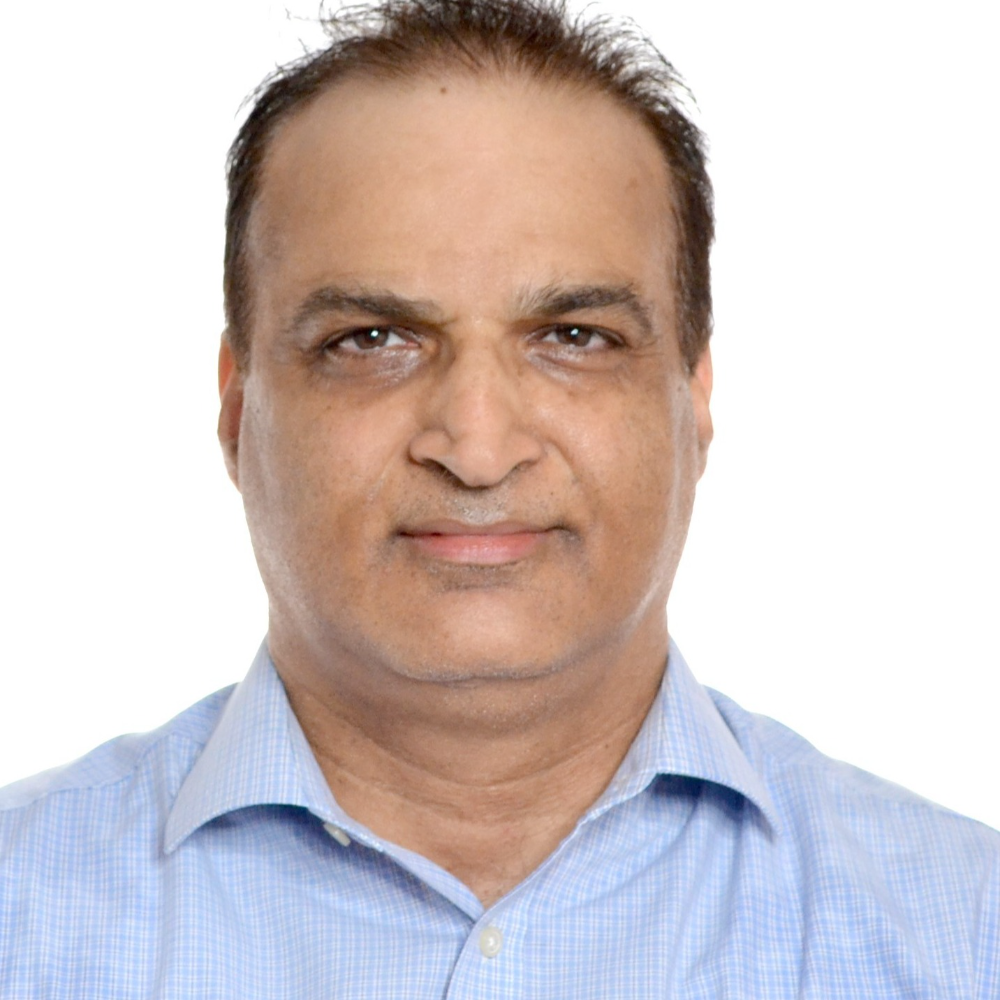
Jiwan Acharya
Principal Energy Specialist, Asian Development Bank
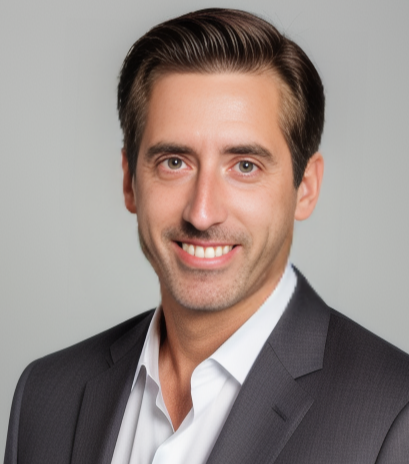
Charles Girard
Global Director for Business Development and Finance, CTC Global
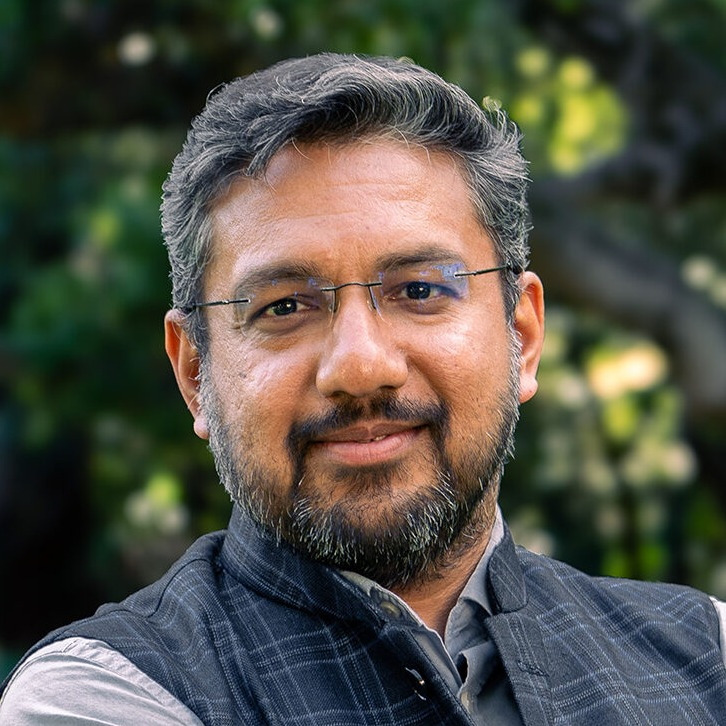
Nikit Abhyankar
Co-Faculty Director, India Energy and Climate Center, University of California, Berkeley
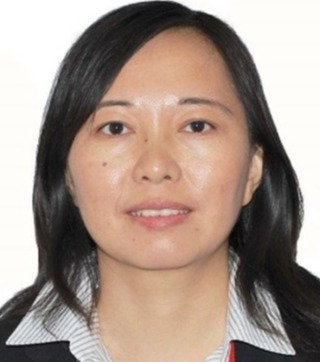
Lin Lu
Advisor, SEC and Head of Information Access Unit, Asian Development Bank
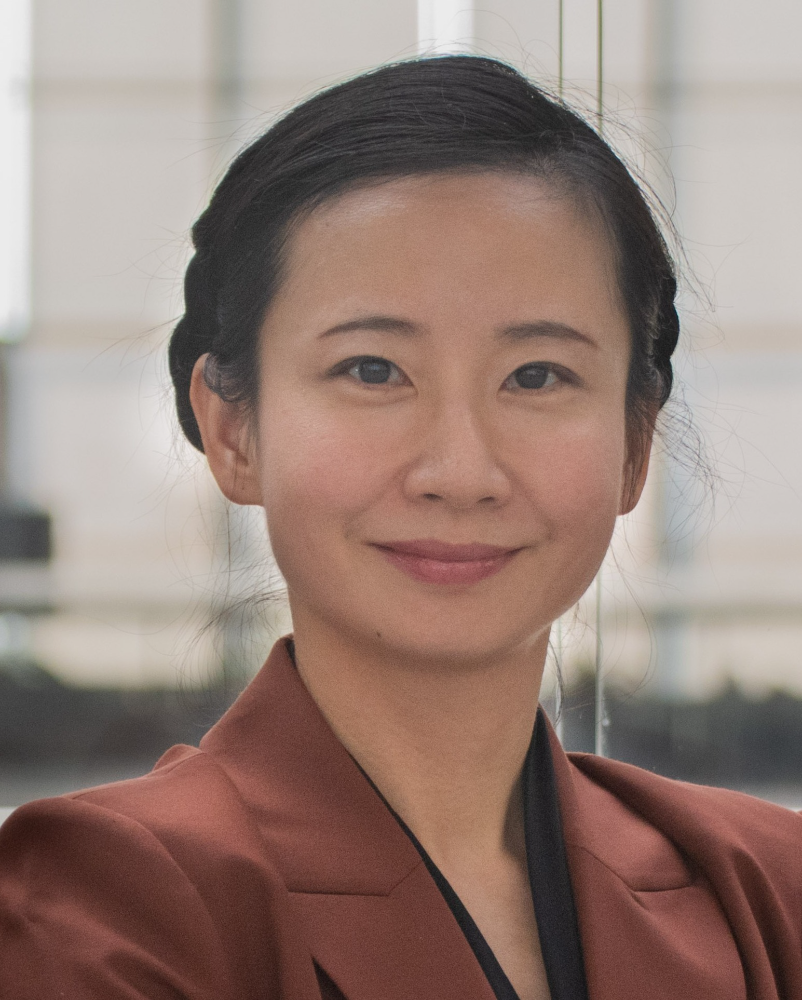
Ziwei Liao
Senior Investment Officer, AIIB
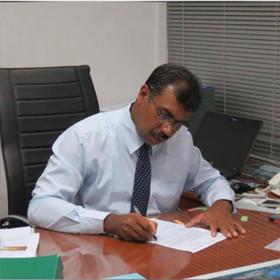
Susantha Fernando
Chief Executive Officer, National System Operator (Pvt) Ltd.
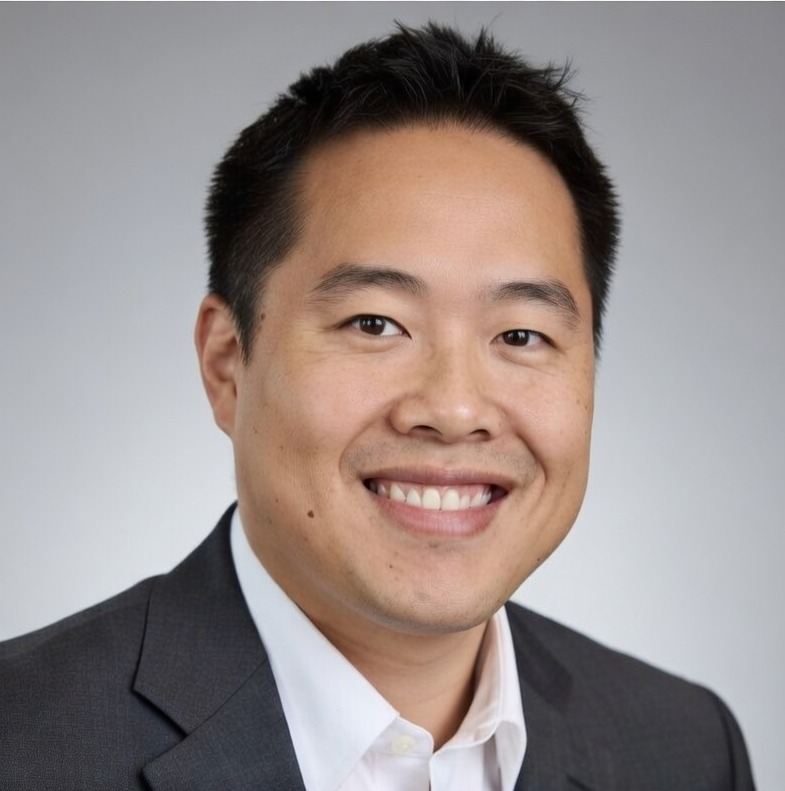
Ken Gau
Principal Industrial Consultant, Dragos, Inc.