Beyond Transition: Building Secure, Resilient, Inclusive, and Intelligent Energy Systems
8-11 June 2026 | ADB Headquarters, Manila

CCUS in Asia: New Focus and Persistent Challenges
Carbon Capture, Utilization and Storage (CCUS) is increasingly transitioning from a power-sector mitigation option to a core technology for industrial decarbonization. In Asia, this shift reflects the growing focus on hard-to-abate sectors such as steel, cement, and petrochemicals, where emissions are structurally embedded in production processes. As regional demand for these materials continues to expand, countries face the dual challenge of scaling industrial output while reducing emissions without disrupting existing energy and industrial systems.
While CCUS presents a technically viable pathway to address this challenge, its deployment remains constrained by persistent barriers, including high capital costs, regulatory uncertainty, limited CO₂ transport and storage infrastructure, and unclear business models. In response, policy attention and investment strategies are evolving, with several countries beginning to reposition CCUS within broader industrial transition and carbon management frameworks.
ADB has been engaged in CCUS since 2009 and has more recently supported analytical and pilot work in countries such as India and Indonesia. This session highlighted emerging applications of CCUS in industrial contexts, examined continuing structural challenges, and facilitated dialogue among stakeholders on how to enable scalable and commercially viable deployment across Asia.
Emanuele Bianco, Energy Specialist, ADB
Hannah Ebro, Project Officer, ADB
-
9:00 – 9:05 a.m.
Welcome Remarks
Pradeep Tharakan, Director, Energy Transition, ADB
-
9:05 – 9:25 a.m.
Financing CCUS at Scale
Sue-Ern Tan, Head, Regional Cooperation Centre, International Energy Agency (IEA)
-
9:25 – 9:45 a.m.
The Role of CCUS in Industrial Decarbonization
Peter Warren, A2D Facility Manager, UNIDO
Bridget Isobell Robinson, Project Coordinator, UNIDO
-
9:45 – 10:00 a.m.
CCUS Application for Decarbonizing the Oil and Gas Industry in Northeast India
Soukarsa Das, Principal Engineer and Lead, Dastur Energy Private Limited
Debarka Chakraborty, Principal Consultant – Business Consulting, Dastur Business & Technology Consulting, Dastur Group
-
10:00 – 10:20 a.m.
Policies to Support CCUS Upscale
Justin Goonesinghe, Independent Energy Resilience and Transition Advisor
-
10:20 – 10:30 a.m.
Q&A: Discussion on Strategies for Scaling Up CCUS Adoption

Pradeep Tharakan
Director, Energy Transition, Asian Development Bank

Emanuele Bianco
Energy Specialist, ADB
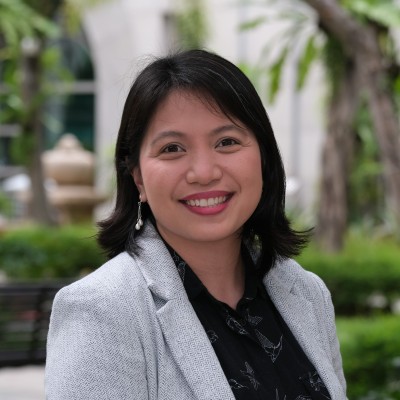
Hannah Fatima Ebro
Project Officer, Asian Development Bank
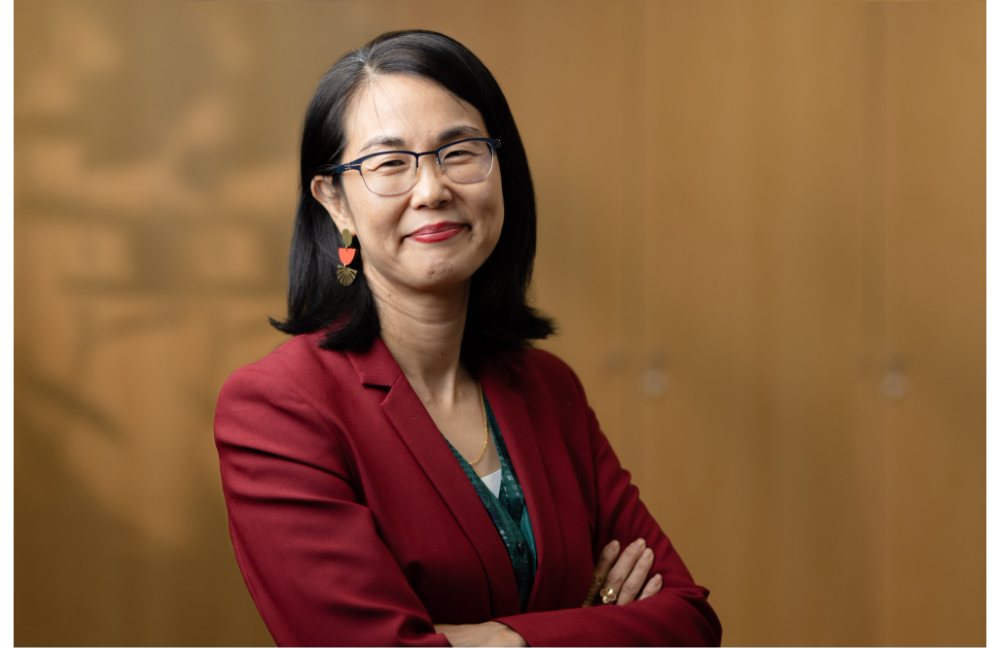
Sue-Ern Tan
Head, Regional Cooperation Centre, International Energy Agency (IEA)
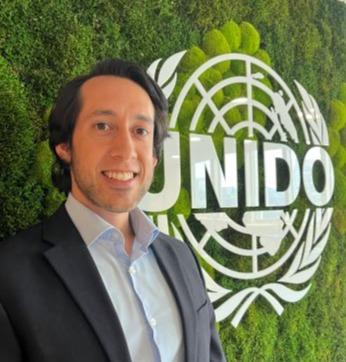
Peter Warren
A2D Facility Manager, UNIDO

Bridget Isobell Robinson
Project Coordinator, UNIDO
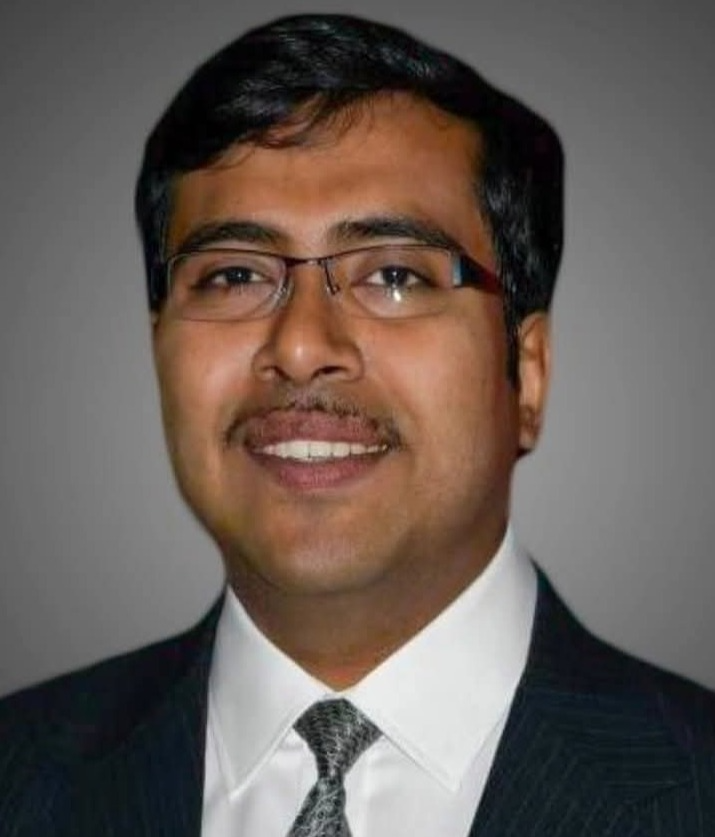
Soukarsa Das
Principal Engineer and Lead, Dastur Energy Private Limited
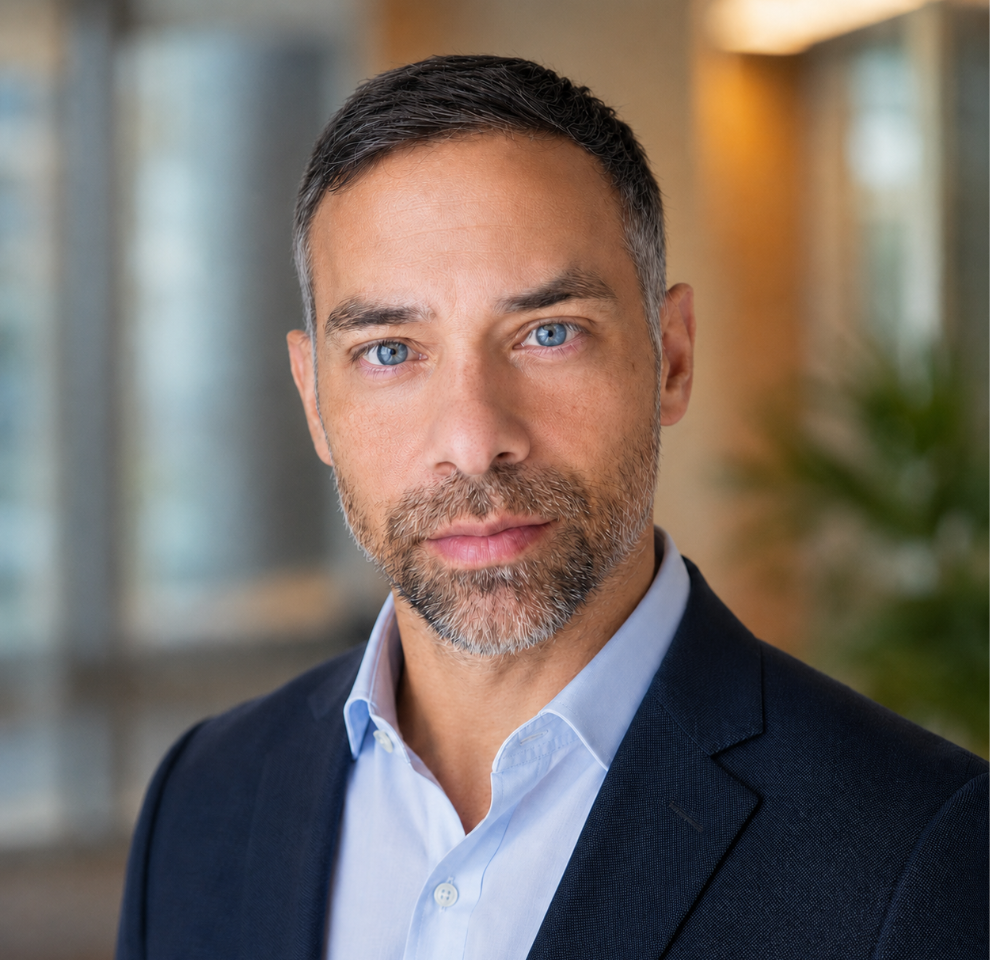
Justin Goonesinghe
Independent Energy Resilience and Transition Advisor
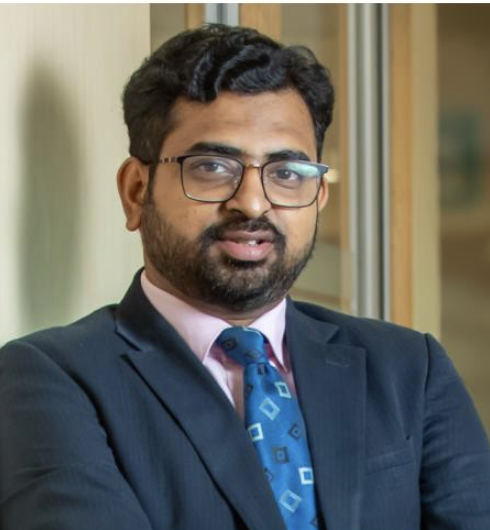
Debarka Chakraborty
Principal Consultant – Business Consulting, Dastur Business & Technology Consulting, Dastur Group