Beyond Transition: Building Secure, Resilient, Inclusive, and Intelligent Energy Systems
8-11 June 2026 | ADB Headquarters, Manila

Next Generation of Solar Financing: The Future of Financing Solar PV and Storage
Southeast Asia is entering a decisive decade for solar deployment. Electricity demand is rising rapidly across the region, energy security concerns are intensifying, and solar photovoltaic (PV) technology has become one of the most cost-competitive generation options available. Yet deployment across ASEAN continues to lag behind its technical and economic potential.
Southeast Asia's energy security crisis has made this transition an economic imperative. The 2026 Gulf Crisis disrupting transit through the Strait of Hormuz — a chokepoint for 25% of global seaborne oil and 90% of Asia-bound LNG — has sharply elevated energy costs and inflationary pressures across the region. Every ASEAN nation except Brunei is a net oil importer; following the disruption, Brent crude surged past US$115 per barrel, while LNG benchmarks jumped 68%, pushing gas-fired power generation costs to approximately USD 260/MWh, more than double the 2025 average. For markets like the Philippines and Thailand, distributed and rooftop solar can now generate equivalent electricity at roughly half the cost of gas. Accelerating solar deployment is no longer a long-term ambition — it is an immediate economic safeguard.
However, two persistent barriers dominate the landscape: grid congestion and system integration challenges, and a significant lack of early-stage and pre-construction financing particularly for small-to-medium enterprise (SME) developers. Without access to development capital at the project preparation stage, viable projects struggle to reach bankability, creating a structural bottleneck across the regional solar pipeline.
Across ASEAN, clean energy investment remains below required levels, with an estimated financing gap of approximately USD 18.9 billion annually. Capital flows remain concentrated in mature, large-scale projects, while distributed and SME-scale solar developers — who represent the majority of the regional project pipeline — face persistent barriers to accessing appropriate financing instruments. The challenge is therefore not whether solar can scale in ASEAN — it is how to finance it efficiently, inclusively, and at speed.
Strategic Framework
This Roundtable is part of a global strategy to engage with solar industry associations and build their voice in order to enable national and regional associations to drive meaningful market transformation. It is designed to advance four strategic pillars: Unified Mission & Collective Voice; Policy & Regulatory Influence; Public Communication & Narrative Leadership; and Knowledge & Standards Leadership. A fifth pillar — Financial Sustainability & Durable Business Models — provides the longer-term institutional foundation as APVIA builds durable capacity over the 2026–2028 period.
The APVIA Solar Roundtable and subsequent Expert Group Meeting in Bangkok are designed to advance Pillars 1 through 4 — building APVIA's unified voice on solar investment, shaping its policy engagement agenda, developing compelling regional narratives for MDBs and donors, and anchoring APVIA's role as a knowledge leader on SME-scale solar financing in ASEAN.
Session Format Notes
Fishbowl Discussion — 50–60 chairs arranged in a circle. A small group of 4–6 practitioners anchor the discussion, with other participants able to join and leave the inner circle freely. This format encourages flat, peer-level exchange rather than panel presentations — creating an environment where practitioners speak to each other, not at an audience.
World Café with Rotating Tables — 6–8 themed clusters, each hosted by a company, bank, DFI, or country case study representative. Each cluster uses chairs arranged in a circle to allow flexible, space-efficient rotation. Participants rotate every 12 minutes. One table is dedicated to a "Speed Dating" format hosted by APVIA, designed for rapid structured exchanges between APVIA and national PV association representatives. Each exchange runs 5–7 minutes, covering each country association's market context, priority financing gaps, and appetite for collaboration with APVIA.
Rapid Overviews — Before the World Café rotation begins, each cluster host delivers a brief 2–3 minute introduction covering: who they are, the opportunity or challenge they address, and the one financing constraint they want participants to help solve. This ensures participants can make informed choices about which tables to prioritize.
Emcee: Mrutyunjaya (MJ) Nanda, Team Leader, ACE Partners
-
2:00 – 3:00 p.m.
Session 1: Context-Setting & Problem Framing
Theme: ASEAN Solar Market Trends and Financing Barriers
Opening RemarksTetchi Capellan, Chairperson, APVIA
Daniel Hersson, Senior Fund Manager and Co-Founder, ADB Ventures
Scene-Setting RemarksLorraine Akiba, President/CEO, LHA Venture
Fishbowl DiscussionModerator: Peter du Pont, Co-CEO, ACE Partners; Board Member, New Energy Nexus
Steve Blume, Secretary General, APVIA / Smart Energy Council; Chairperson, Renewable Energy Council Asia-Pacific (RECAP)
Caldwell Hoey, Director for Renewable Energy, Maschinen & Technik, Inc
Farhad Taghizadeh-Hesary, Chief Economist, Climate Finance Asia
Shashank Misra, Joint Secretary, Ministry of Power, India
-
3:00 – 3:15 p.m.
Coffee Break
-
3:15 – 4:15 p.m.
Session 2: World Café — Solutions in Practice
Theme: Scaling Solar Markets through Innovation, Collaboration, and Replicable Models
Rotating cluster discussions across 7 themed clusters (3 rounds of 12 minutes each). Each cluster focuses on one key financing barrier, one practical solution, and one possible follow-up action.
Cluster HostsBrenda Valerio, Country Director, New Energy Nexus Philippines & Lito Villar, CEAAPI (Cluster 1: Startups)
Yan Wang, CEO & Co-founder, Quantified Energy & John Altomonte, CEO, SunFund (Cluster 2: ADB Ventures Portfolio)
Ping Mendoza, President, Philippine Solar and Storage Energy Alliance (PSSEA) (Cluster 3: Philippine PV Industry)
Chalermkiti Hemvej, CEO, AT Energy (Cluster 4: Thai PV Industry)
Pham Linh Ngan, Vietnam Business Forum (Cluster 5: Vietnam PV Industry)
Justin James Ng, Head of Secretariat, Malaysia Photovoltaic and Sustainable Energy Industry Association (MPSEA) (Cluster 6: Malaysian PV Industry)
Jigar Bhatt, Energy Specialist, ADB (Cluster 7: India Case Study)
-
4:15 – 4:30 p.m.
Coffee Break
-
4:30 – 5:30 p.m.
Session 3: Way Forward — Priorities & Actions
Theme: Financing Barriers to Actionable Solutions
Fishbowl discussion synthesising insights from Sessions 1 and 2 to identify 3–4 practical interventions, potential champions, and follow-up pathways — including a follow-up APVIA-sponsored Expert Group Meeting in Bangkok in August 2026.
Fishbowl DiscussionModerator: Peter du Pont, Co-CEO, ACE Partners; Board Member, New Energy Nexus
Shailesh Unnithan, Chief General Manager, State Bank of India
Jeric James Pernitez, Senior Manager and Deputy Head of Credit, ATRAM Trust Corporation
Andy Tirta, Head of Corporate Affairs Department, ASEAN Center for Energy
Closing RemarksTetchi Capellan, Chairperson, APVIA
-
6:00 – 8:00 p.m.
Networking Reception
Venue: Discovery Suites
Hosted by APVIA, the reception will bring together Roundtable participants and invited ACEF delegates in an informal setting to continue conversations, strengthen connections, and build the relationships that underpin effective collaboration.

Jigar Bhatt
Energy Specialist, ADB
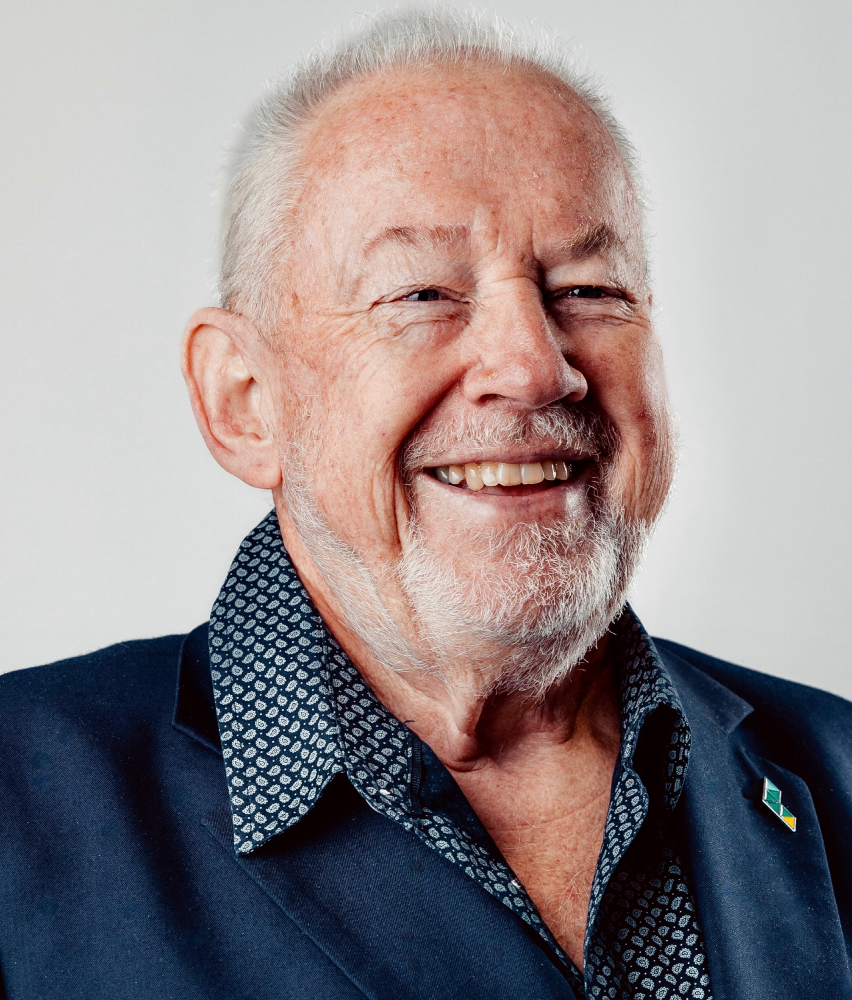
Steve Blume
Secretary General, APVIA / Smart Energy Council
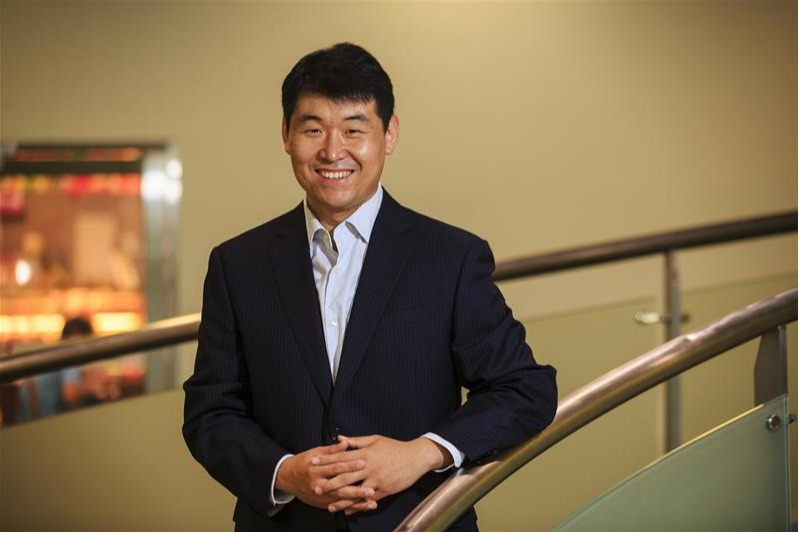
Yan Wang
CEO, Quantified Energy

John Altomonte
CEO, SunFund
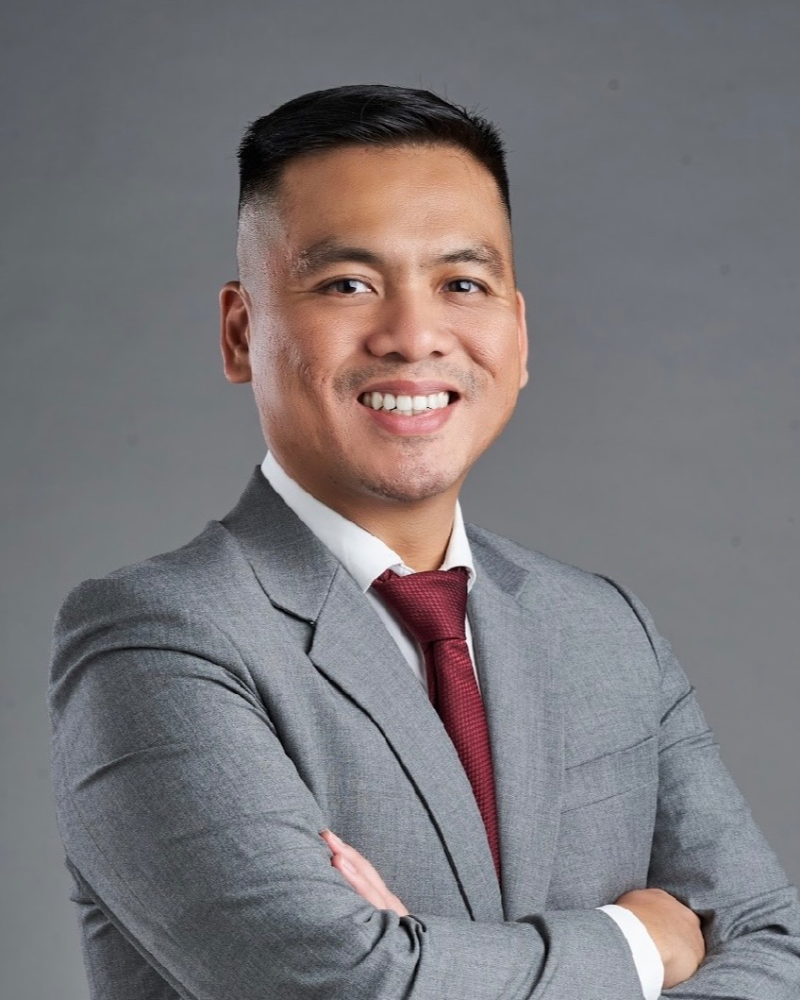
Ping Mendoza
President, Philippine Solar and Storage Energy Alliance (PSSEA)

Lito Villar
CEAAPI, Philippines

Pham Linh Ngan
APVIA Vietnam Representative, Vietnam Business Forum
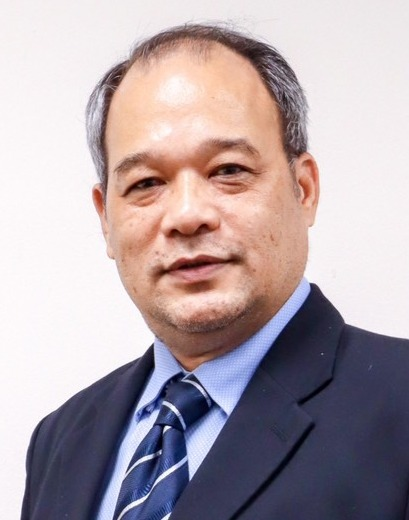
Chalermkiti Hemvej
CEO, AT Energy, Thailand

Brenda Valerio
Country Director, New Energy Nexus Philippines

Peter duPont
Co-CEO, Asia Clean Energy Partners

Tetchi Capellan
Chairperson, Asian Photovoltaic Industry Association (APVIA)

Daniel Hersson
Senior Fund Manager and Co-Founder, ADB Ventures

Lorraine Akiba
President/CEO, LHA Venture
Caldwell Hoey
Director for Renewable Energy, Maschinen & Technik, Inc
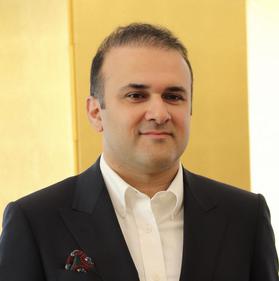
Farhad Taghizadeh-Hesary
Chief Economist, Climate Finance Asia
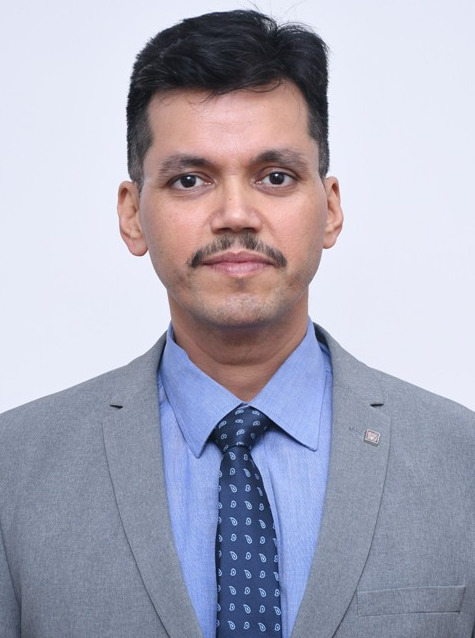
Shashank Misra
Joint Secretary, Ministry of Power, India

Justin James Ng
Head of Secretariat, Malaysia Photovoltaic and Sustainable Energy Industry Association (MPSEA)
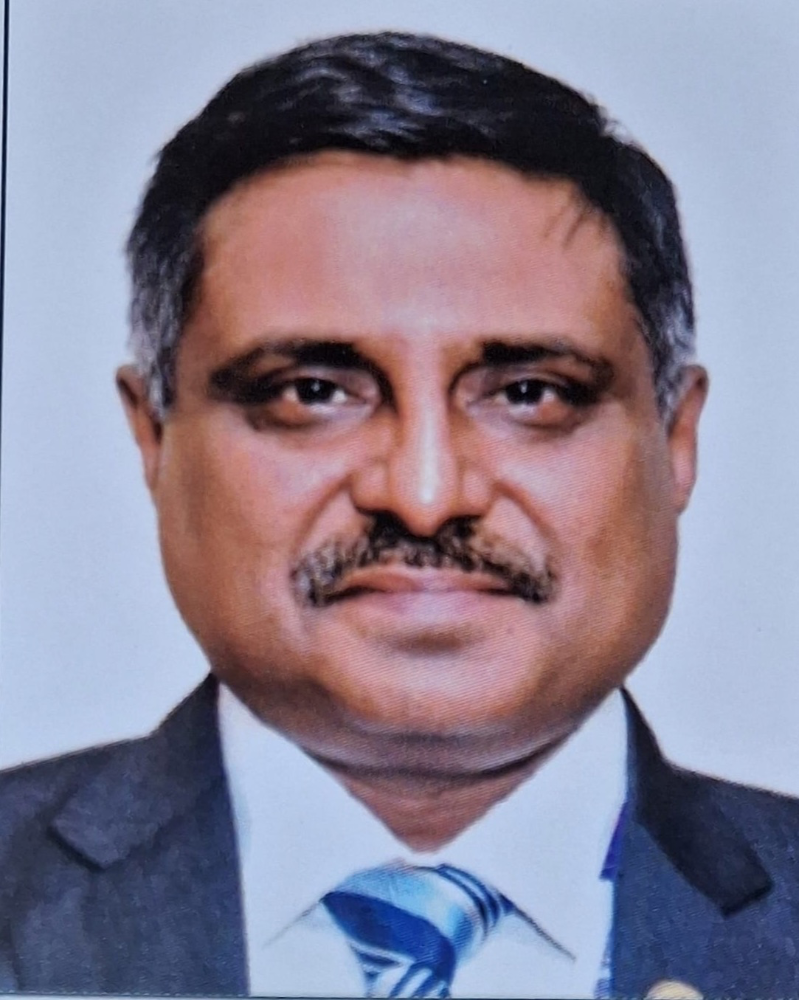
Shailesh Unnithan
Chief General Manager, State Bank of India

Jeric James Pernitez
Senior Manager and Deputy Head of Credit, ATRAM Trust Corporation
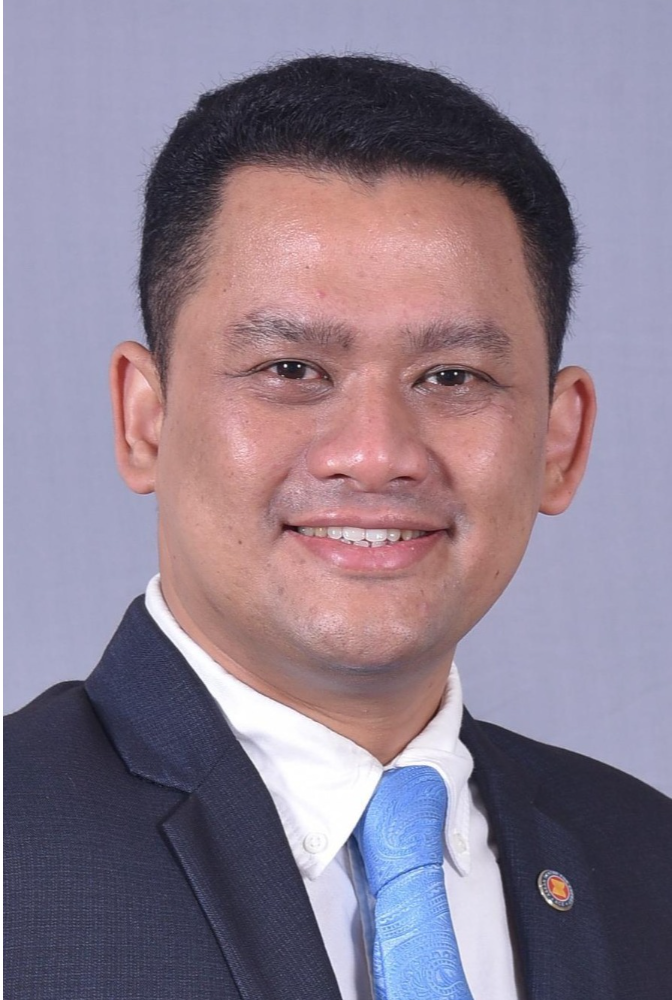
Andy Tirta
Head of Corporate Affairs Department, ASEAN Center for Energy